
grey laminated glass
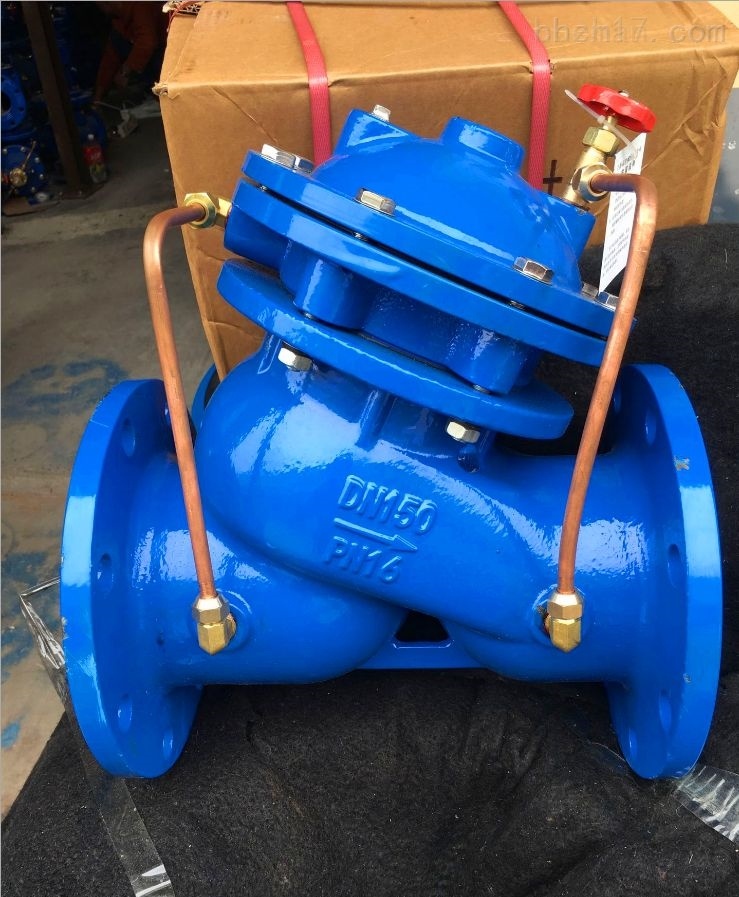
The Importance of Open Water Valves in Modern Infrastructure Water is one of the most essential resources for human survival, playing a crucial role in agricultural, domestic, and industrial applications. As cities grow and technology advances, the management and distribution of water have become increasingly complex. Among the critical components of water management systems are open water valves, which serve as the lifelines to ensure that water flows where it is needed, when it is needed. Open water valves are mechanical devices that regulate the flow of water in pipes and other water distribution systems. These valves can be either manually operated or automated and are found in various settings, including municipal water supply networks, irrigation systems, and industrial processes. Their primary purpose is to control water flow, allowing for the distribution of this vital resource to various areas. One of the primary advantages of open water valves is their ability to facilitate efficient water management. In urban environments, municipalities face the challenge of providing clean and reliable water to thousands, if not millions, of residents. Open valves enable efficient distribution, preventing wastage and ensuring that every household receives its fair share of water. Moreover, they allow for quick adjustments in response to fluctuating demand, whether it be due to seasonal changes, population growth, or infrastructure developments. In agricultural settings, open water valves are instrumental in optimizing irrigation practices. Farmers often rely on controlled water delivery to their crops, as excess or insufficient water can drastically affect yield . By utilizing open valves, farmers can regulate the flow of water to different sections of their land, ensuring that every plant receives adequate hydration without overwatering. This not only conserves water but also promotes healthier crops and sustainable farming practices. open water valve Automation has revolutionized the functionality of open water valves in recent years. Smart water management systems use sensors and real-time data analytics to monitor water flow, pressure, and quality. Automated valves can respond to changes in demand inadvertently, adjusting flow rates and conserving resources. These technological advancements have led to improved efficiency and reduced operational costs for water utilities while minimizing the risk of leaks and water loss. However, the open water valve system is not without its challenges. Regular maintenance is crucial to ensure that these valves function correctly. A neglected valve can lead to leaks, reduced water pressure, and even contamination of the water supply. Municipalities and utilities must invest in routine inspections and repairs to maintain the integrity of their water distribution systems. Additionally, natural disasters such as floods or earthquakes can severely impact the functionality of open water valves, leading to catastrophic water loss or destruction of essential infrastructure. Public awareness and education are also vital components in supporting the management of open water valves. Communities can play a proactive role by reporting leaks, understanding water conservation practices, and participating in local water management initiatives. By encouraging residents to engage with their water supply systems actively, municipalities can foster a culture of responsibility and sustainability. In conclusion, open water valves are essential elements in the effective management of water resources. They provide a mechanism for controlling flow, ensuring equitable water distribution in urban and agricultural settings, while technological advancements promise enhanced efficiency through automation. However, ongoing maintenance, community engagement, and education are vital to addressing the challenges associated with these critical components of our water infrastructure. As we continue to navigate a future where water scarcity becomes an increasing concern, the role of open water valves will undoubtedly be integral to our strategies for sustainable water management.
about
grey laminated glass
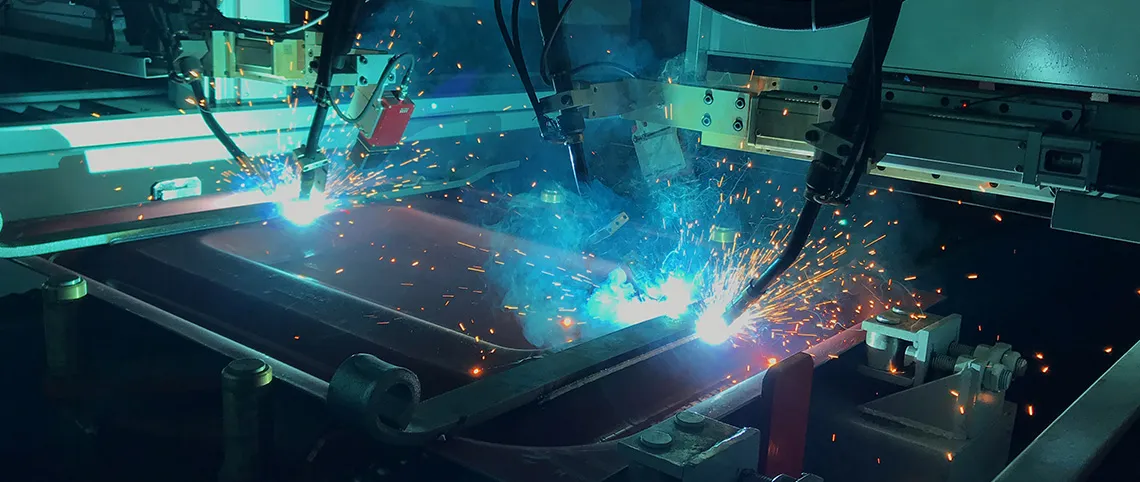
Understanding the Uses of Magnetic V Blocks Magnetic V blocks are essential tools in a wide array of machining, fabrication, and assembly processes. They combine the functionality of traditional V blocks, which are designed to hold cylindrical objects, with a powerful magnetic base that offers precision and stability. This article delves into the various applications, benefits, and considerations of using magnetic V blocks in different industries. What are Magnetic V Blocks? Magnetic V blocks are specialized devices that feature a unique V-shaped groove, enabling them to securely hold round or cylindrical workpieces. The magnetic base ensures that the block adheres firmly to the work surface, providing stability during machining or inspection processes. They are typically made from high-quality steel or cast iron, designed to endure rigorous mechanical operations. Applications in Machining and Fabrication 1. Precision Hold for Machining One of the primary uses of magnetic V blocks is in machining operations. They are instrumental in securely holding pieces while milling, drilling, or grinding. The magnetic grip allows for quick setup and repositioning, significantly reducing downtime and improving workflow. 2. Inspection and Measurement In quality control processes, magnetic V blocks are invaluable. They provide a stable platform for measuring instruments, ensuring that measurements are accurate and reliable. Whether you're using calipers, micrometers, or dial indicators, the secure hold reduces the risk of movement that could compromise data. 3. Welding Applications In welding, magnetic V blocks enable fabricators to position components accurately. The strong magnetic hold allows operators to concentrate on welding without worrying about misalignment, ensuring cleaner welds and stronger joints. This is particularly useful in pipe and tube fabrication, where precision is paramount. magnetic v block uses 4. General Assembly Operations In assembly lines, magnetic V blocks can assist in holding parts in place while they are fastened or connected. They streamline the assembly process, allowing for quick adjustments and reducing the chance of errors, particularly in high-volume manufacturing environments. Benefits of Using Magnetic V Blocks - Efficiency The magnetic feature allows for rapid setup and adjustments, saving valuable time in production processes. - Precision The stability provided by the magnetic hold enhances accuracy, leading to better quality outcomes in machining and assembly. - Versatility Magnetic V blocks can be used across various materials and applications, making them an indispensable tool in multiple industries such as automotive, aerospace, and manufacturing. - Ease of Use With simple on/off switches to activate or deactivate the magnet, these blocks are user-friendly and safe, even for operators with minimal training. Considerations When Using Magnetic V Blocks While magnetic V blocks offer numerous advantages, there are factors to keep in mind for optimal use - Surface Material Magnetic V blocks adhere best to ferromagnetic surfaces. On non-magnetic surfaces, their effectiveness diminishes. - Load Capacity Each magnetic V block has a specific load capacity. It’s crucial to ensure that the workpiece weight stays within the limits to avoid slippage or damage to the block. - Maintenance Regular maintenance and cleaning of magnetic surfaces are essential to maintain the strength of the magnetic hold and prevent debris accumulation that could affect performance. Conclusion Magnetic V blocks are an essential component in many engineering and manufacturing processes. Their ability to securely hold round objects while allowing for precise machining and measurement enhances productivity and accuracy across various applications. As technology advances and industries demand greater precision and efficiency, the reliance on tools like magnetic V blocks will likely continue to grow. Understanding their uses, benefits, and best practices ensures that operators can maximize the potential of these versatile tools, leading to better quality products and streamlined operations. Whether in a machine shop, assembly line, or inspection lab, magnetic V blocks are tools that facilitate precision and efficiency in today's fast-paced industrial landscape.
-

High quality industrial productsagement

High quality industrial products
View Details -

Meet the diverse needs of customers

Meet the diverse needs of customers
View Details -

Strict quality control

Strict quality control
View Details -

Top raw materials

Top raw materials
View Details -

Trusted supplier

Trusted supplier
View Details
Our application



news and information

welding workbench
The Welding Workbench Essential Equipment for Metal Fabrication Welding is a fundamental process in
Y Type Water Strainer for Efficient Filtration Solutions and Flow Management
Understanding Y-Type Water Strainers A Comprehensive Overview Water strainers are vital components i

Various Categories of Gate Valves and Their Applications
Different Types of Gate Valves Gate valves are a type of valve that opens by lifting a gate out of t
 English